Let New Zealand decide on Māori seats
Referendum Now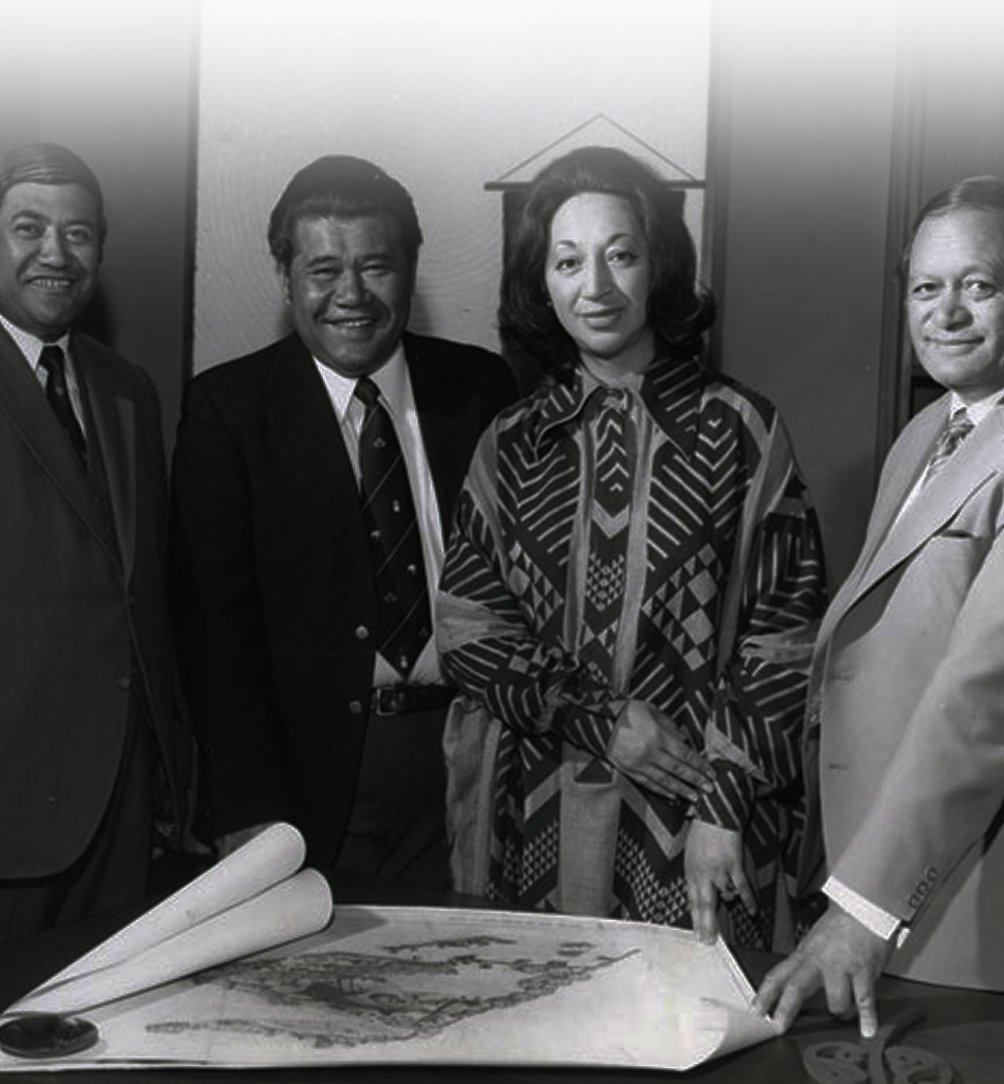
Four Māori seats were introduced in 1867 to ensure Māori representation because at the time New Zealand had a property-based voting system which prevented Māori (and women) from having fair representation.
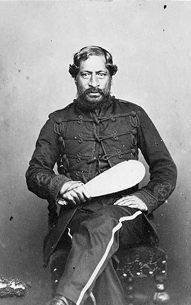
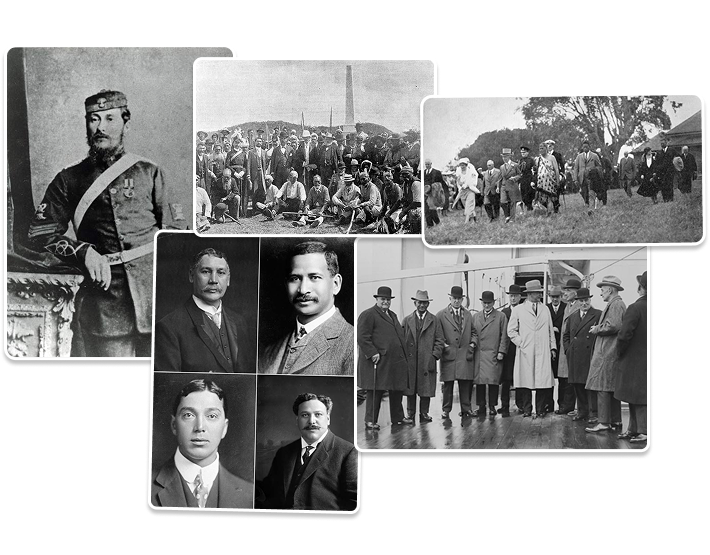
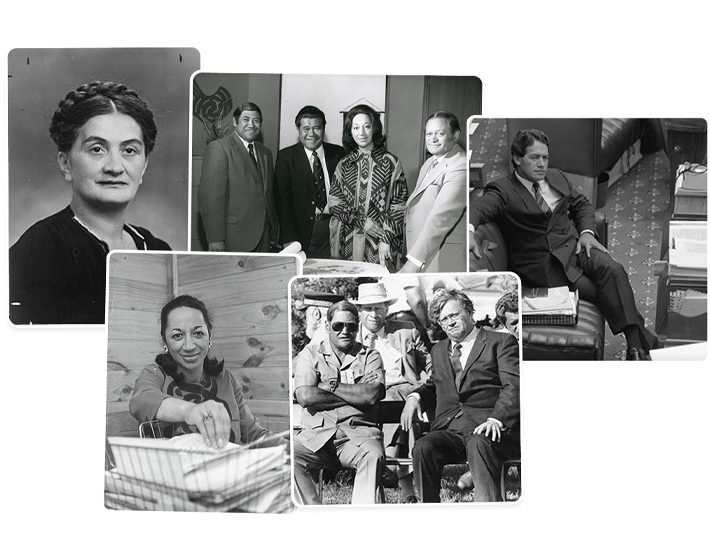
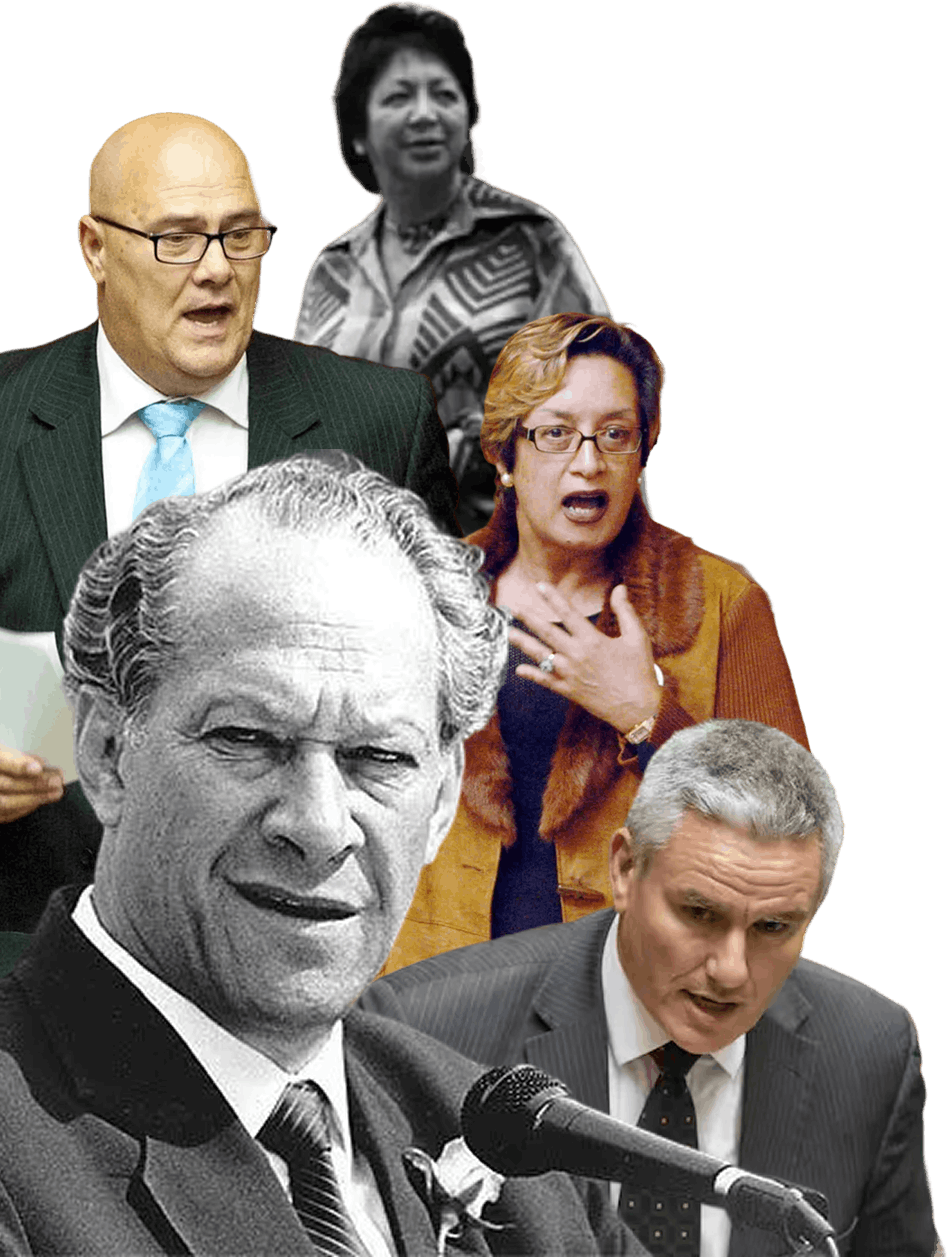
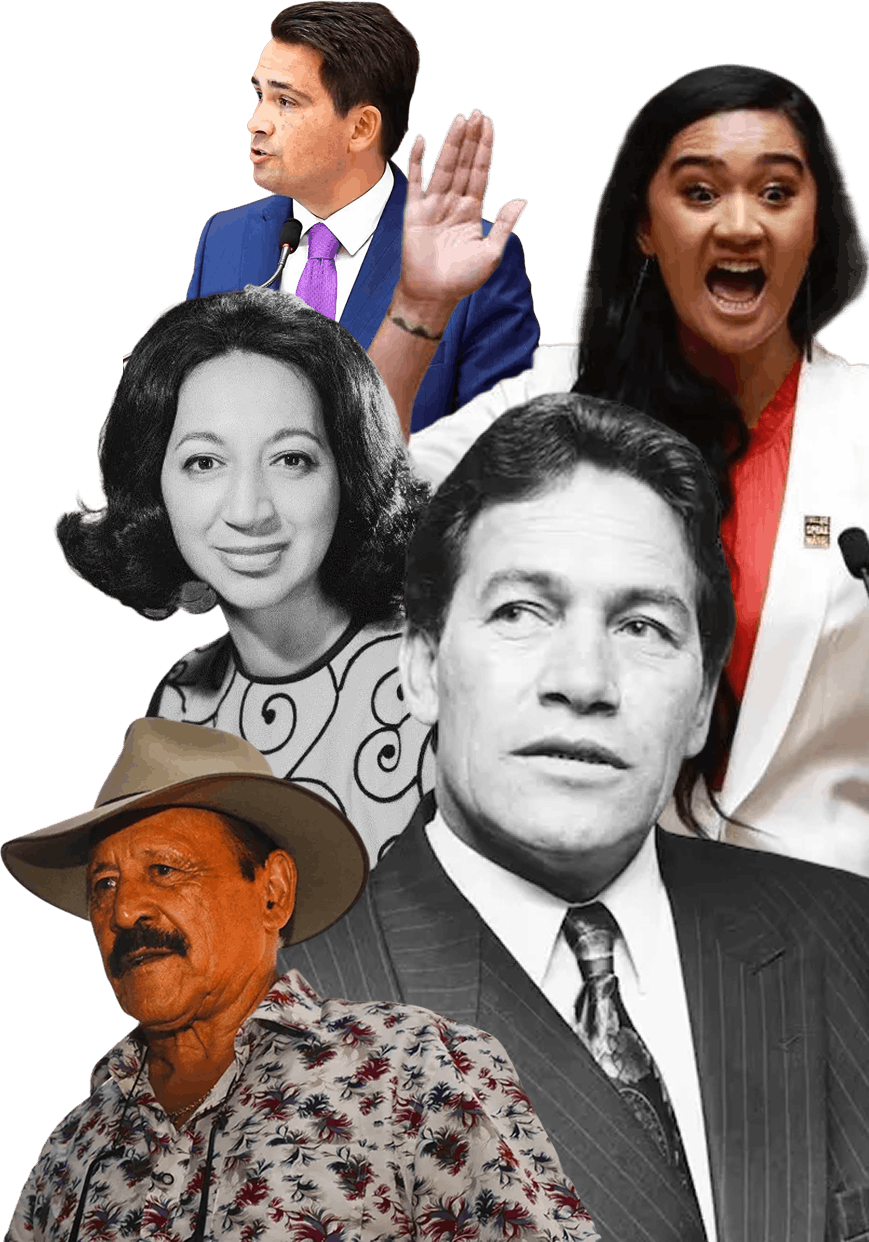
Over the decades, remarkable Māori leaders emerged. Figures such as Sir Āpirana Ngata, whose influence on national politics was profound; Sir James Carroll, one of the first Māori to hold ministerial office; and later trailblazers like Dame Whina Cooper and Whetū Tirikātene-Sullivan, who helped reshape the political landscape.
For much of the 20th century, however, the number of Māori MPs grew only slowly, and was largely confined to the fixed Māori seats. The seats were ensuring representation, but not growing it.
%201.png)
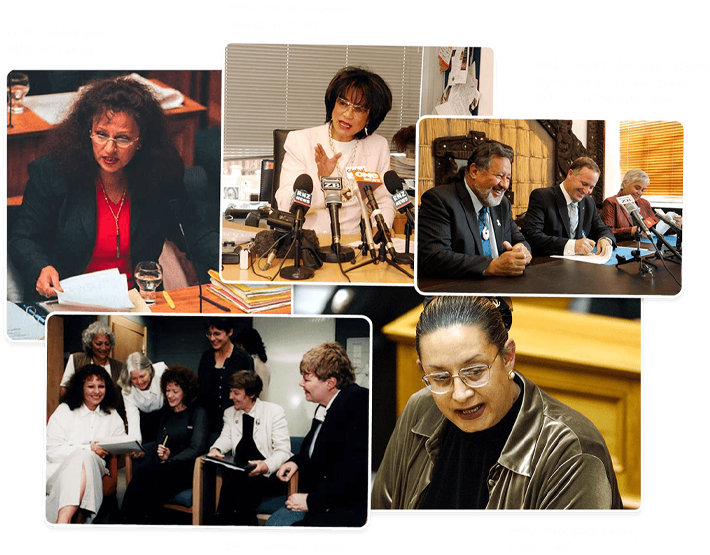
When New Zealand adopted Mixed Member Proportional (MMP) representation in 1996, one of the arguments was that it would correct underrepresentation of minorities, including Māori, by making Parliament more reflective of the electorate as a whole.
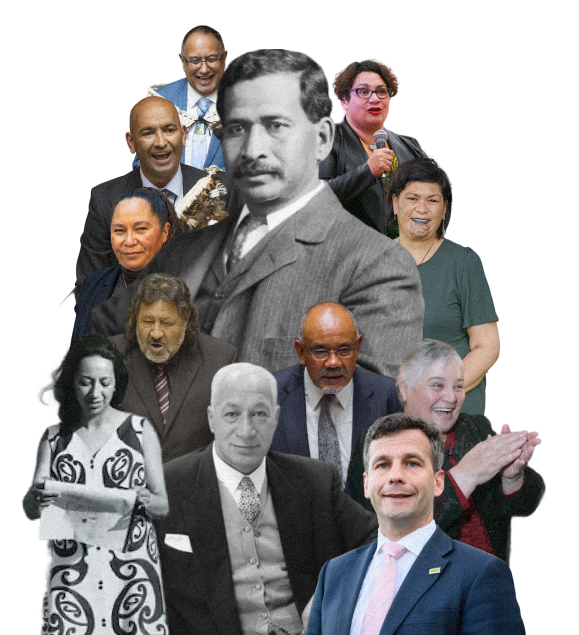
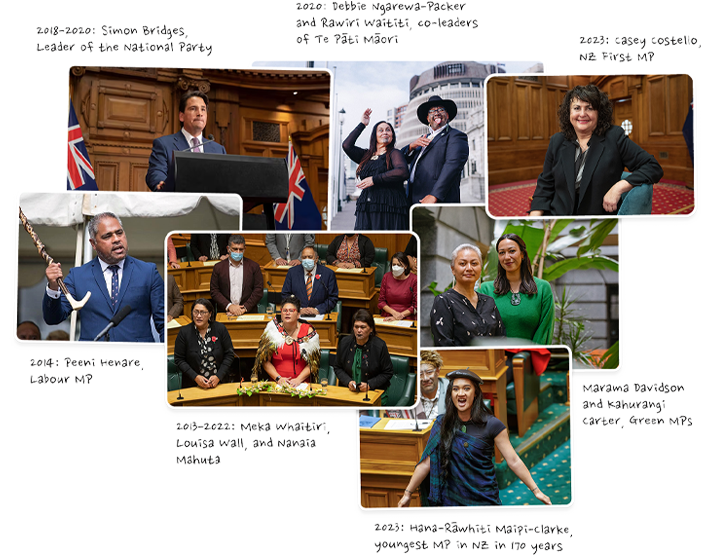
And it did! MMP dramatically accelerated the growth in Māori representation, with Māori MPs elected across general electorates and party lists, serving in Cabinet, and leading major portfolios. Of the parties currently in Parliament, all but Labour have had a Māori leader. Today, Māori representation in Parliament currently exceeds population proportionality.
The original rationale for separate electorates, ensuring Māori a voice in Parliament, has been achieved. Representation has evolved, our democracy has matured, and so should our electoral system. The time has come for New Zealanders to reconsider whether race-based seats remain necessary.
We are calling for a Referendum Now
© Hobson’s Pledge 2026